
Engines
Acura Engines (9)
Audi Engines (4)
BMW Engines (5)
Honda Engines (51)
Hyundai Engines (22)
Infiniti Engines (16)
Kia Engines (21)
Lexus Engines (29)
Mazda Engines (10)
Mitsubishi Engines (6)
Nissan Engines (43)
Scion Engines (7)
Subaru Engines (41)
Toyota Engines (111)
Volkswagen Engines (1)
Reduced 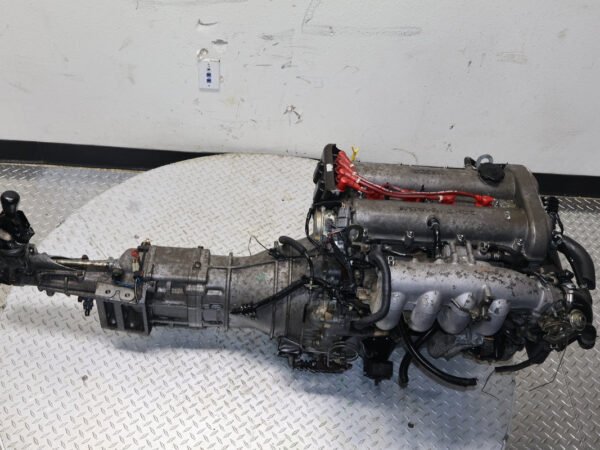
MAZ-EN-NA-003
1990-1993 Mazda Miata 1.6L DOHC Engine & 5 Speed Manual Transmission JDM B6
Original price was: $1,899.99.$1,499.99Current price is: $1,499.99.
Reduced 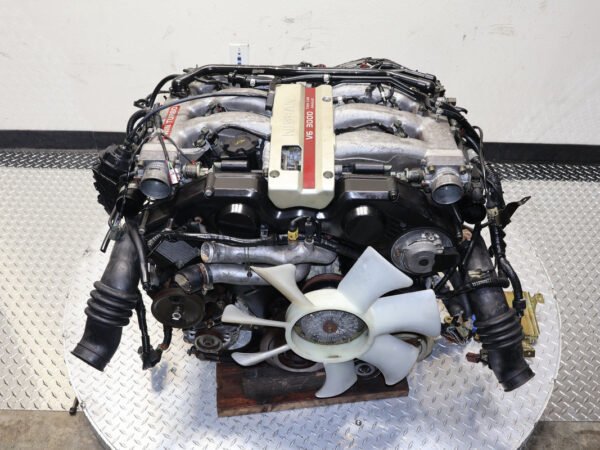
NIS-EN-VG30DETT-001
1990-1996 Nissan 300ZX Fairlady Z Z32 3.0L V6 DOHC Twin Turbo Engine JDM VG30DETT
Original price was: $4,799.00.$4,400.00Current price is: $4,400.00.
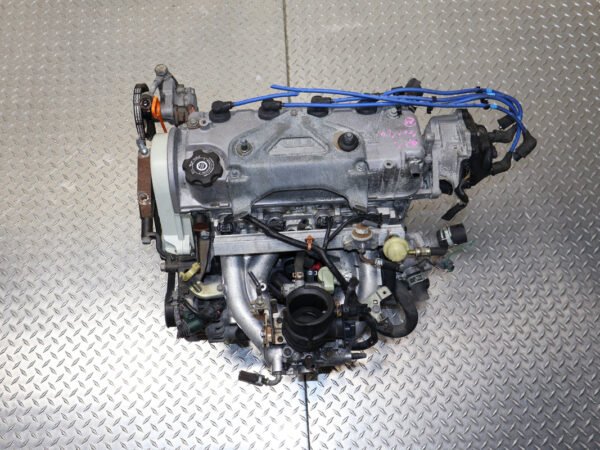
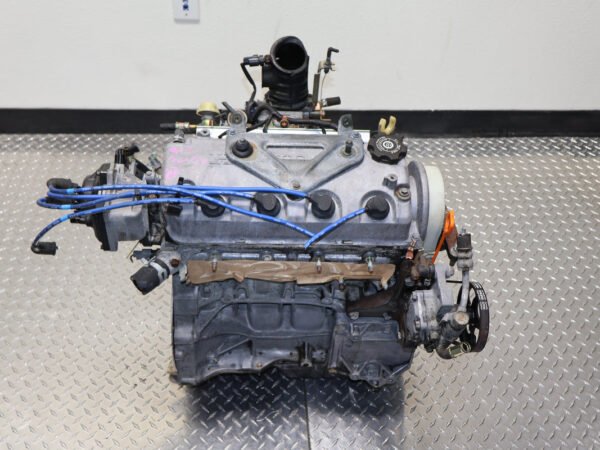
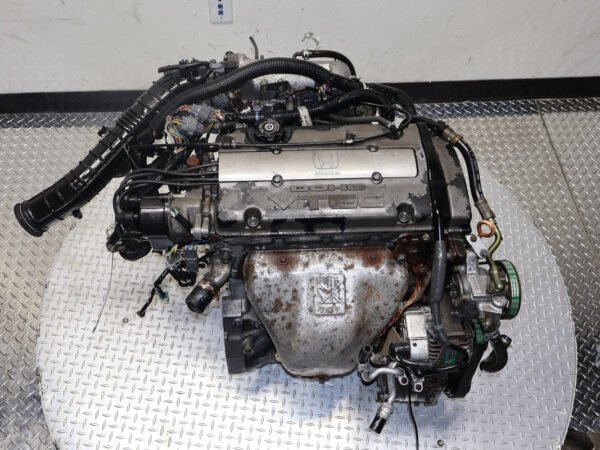
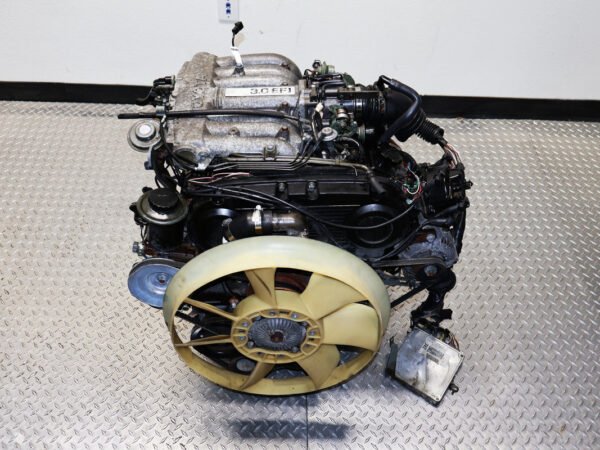
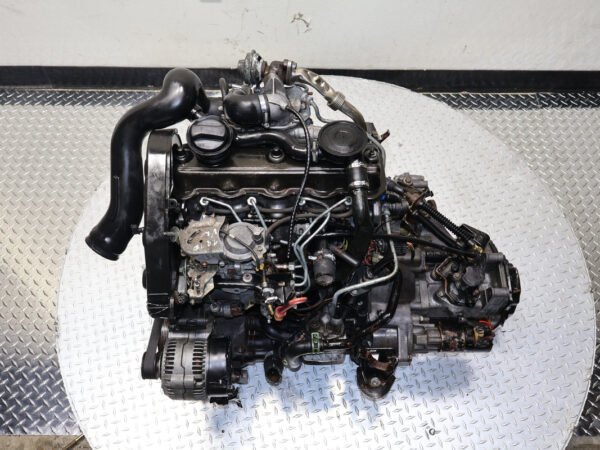
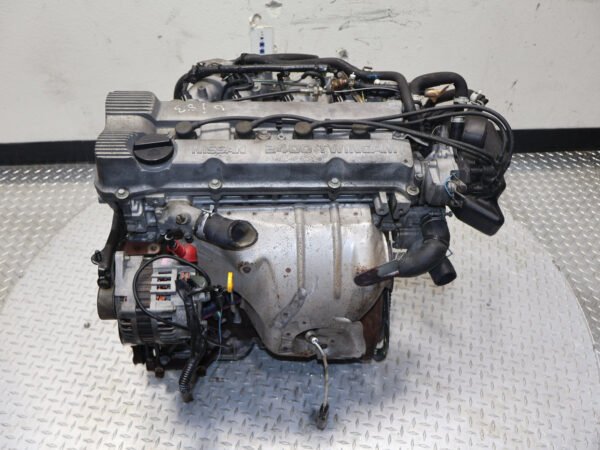
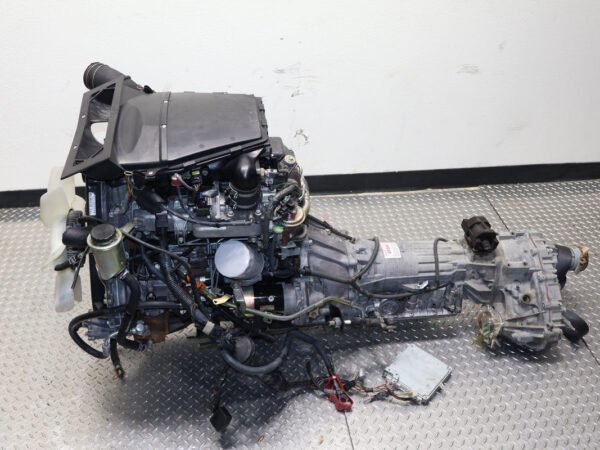
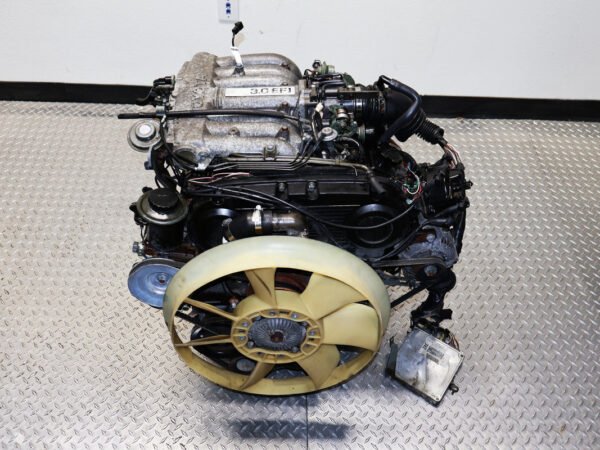
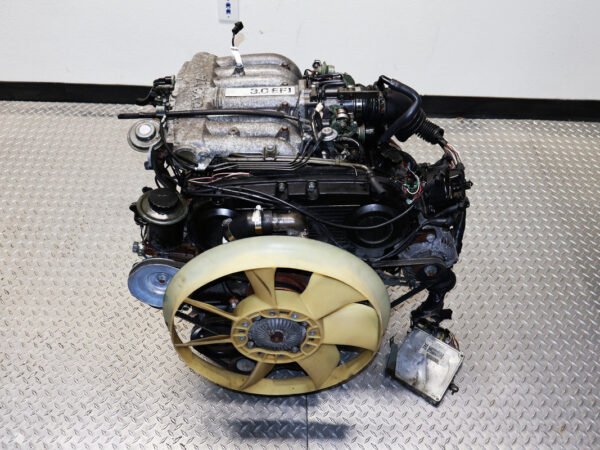
TOY-EN-1KZTE-001
1993-2002 Toyota Hilux Surf 4Runner 3.0L Turbo Diesel Engine & AWD Automatic Transmission JDM 1KZ-TE
$3,995.00
Reduced 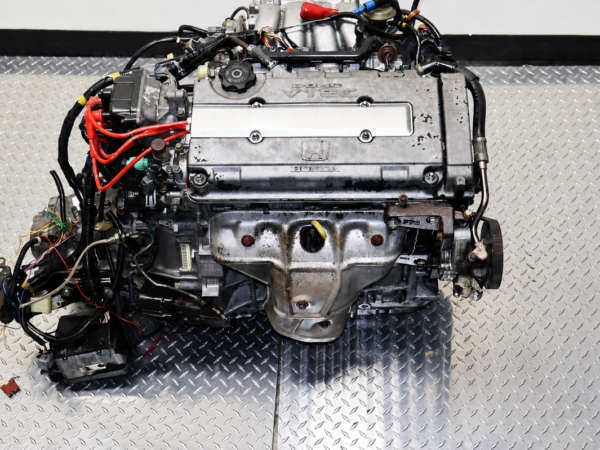
HON-EN-B18C-002
1994-1995 Acura Integra B18C 1.8L DOHC VTEC Engine & 5 Speed LSD Y21 Transmission Swap JDM
Original price was: $7,499.00.$5,900.00Current price is: $5,900.00.
Reduced 
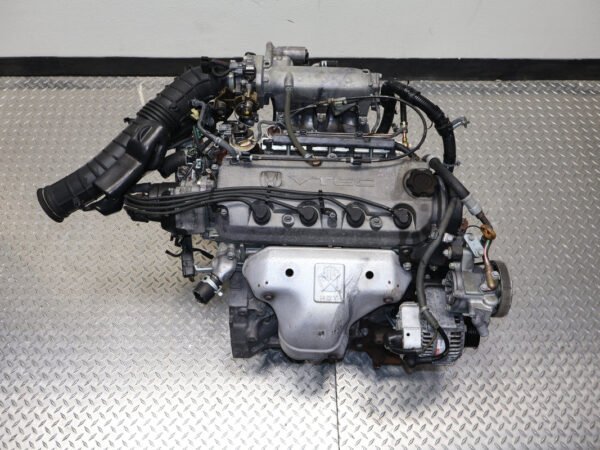
HON-EN-F22B-002
1994-1997 Honda Accord 2.2L SOHC VTEC Engine JDM F22B
Original price was: $1,450.00.$1,350.00Current price is: $1,350.00.
Reduced 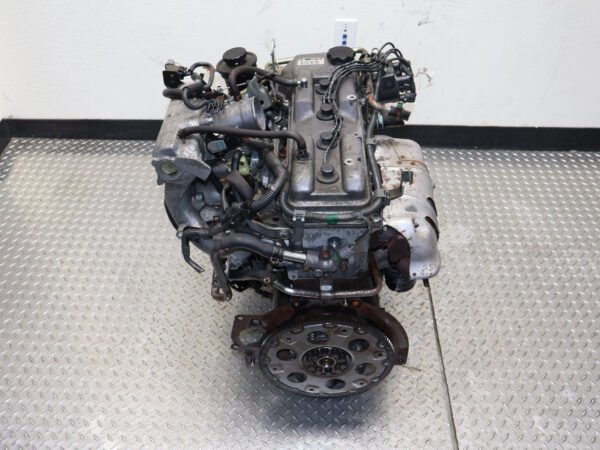
1192-2
1995-1996 Toyota T100 Engine JDM 2.7L 3RZ-FE
Original price was: $2,899.00.$2,649.00Current price is: $2,649.00.
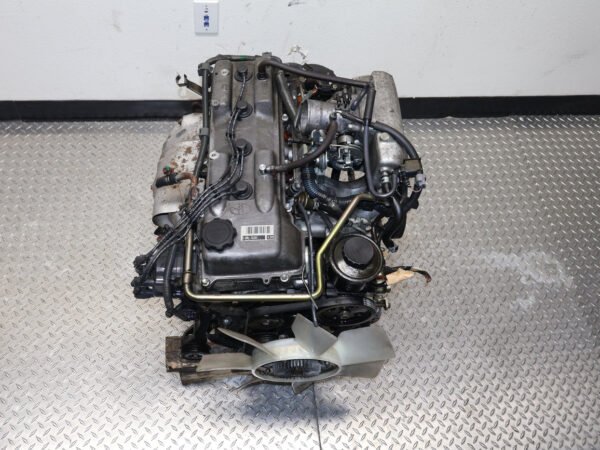
TOY-EN-3RZFE-001
1995-1996 Toyota Tacoma / 4Runner / T100 JDM 3RZ-FE 2.7L Inline-4 DOHC Distributor Type Engine
$3,199.99
Reduced 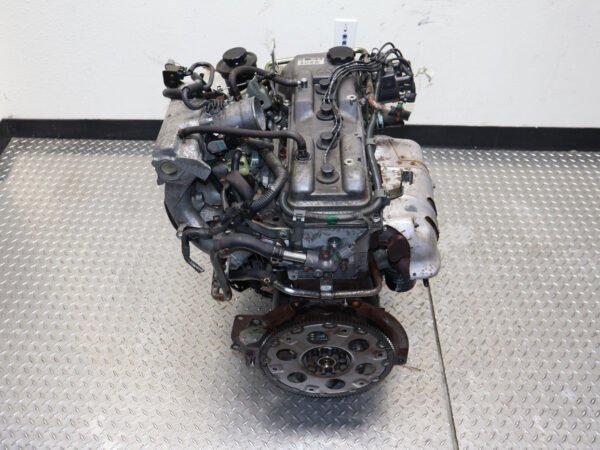
1192
1995-1996 Toyota Tacoma 2.7L DOHC Distributor Engine JDM 3RZ-FE
Original price was: $2,899.00.$2,649.00Current price is: $2,649.00.
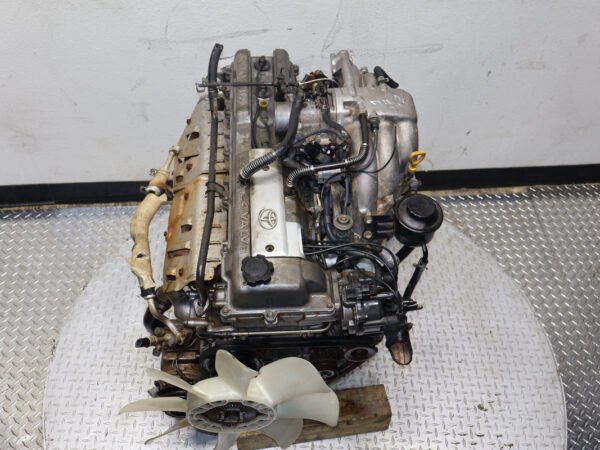
TOY-EN-1FZFE-001
1995-1997 Toyota Land Cruiser 4.5L Inline-6 DOHC 24V Distributor Engine JDM 1FZ-FE
$3,999.99
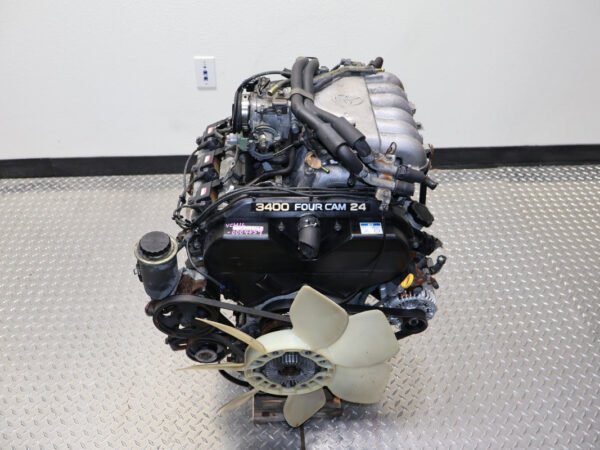
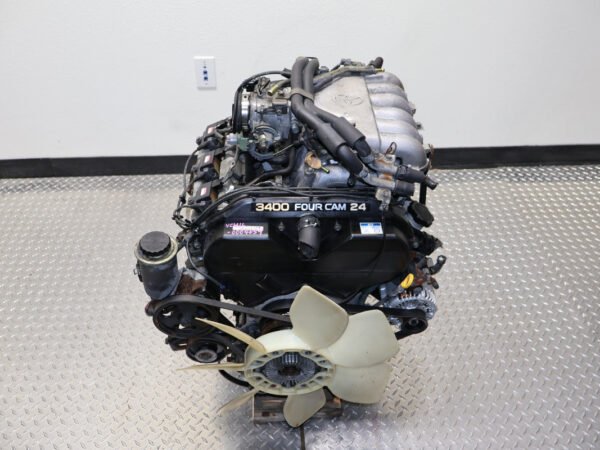
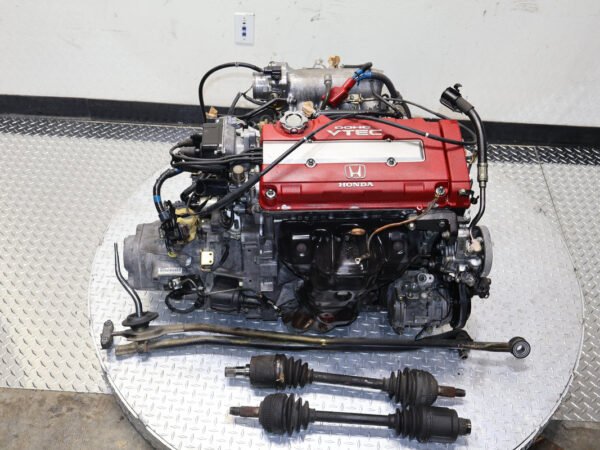
HON-EN-B18C-001
1996-1997 Honda Integra Type R B18C 1.8L Engine & 5 Speed LSD Manual Transmission Swap JDM
$8,349.00
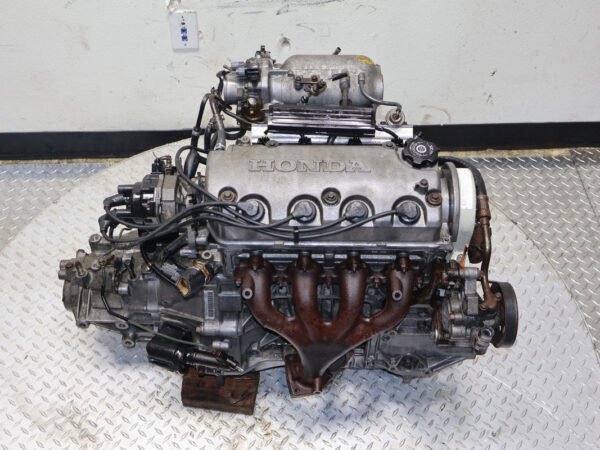
HON-EN-D16ZC-001
1996-2000 Honda Civic 1.6L SOHC Non-VTEC Engine & 5 Speed Manual Transmission JDM D16ZC D16Y7
$2,099.99
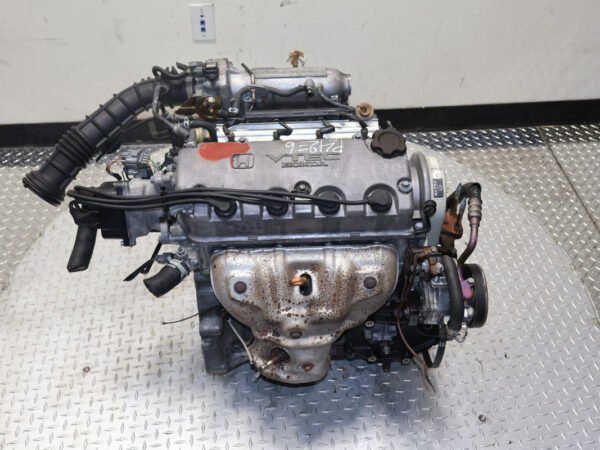
Reduced 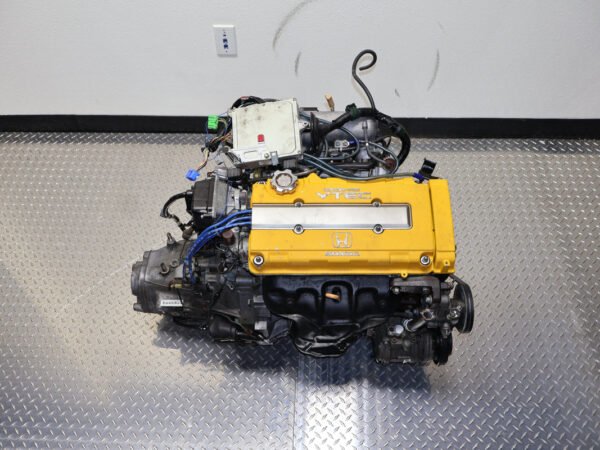
HON-EN-B16B-001
1996-2000 Honda Civic Type R B16B 1.6L DOHC VTEC Engine & 5 Speed LSD Transmission Swap JDM
Original price was: $7,499.00.$6,999.00Current price is: $6,999.00.
Buying a used Japanese engine
Every engine on this page came out of a car that was still running in Japan. That is worth understanding, because it is the whole reason these units are worth buying. Japan’s shaken inspection regime makes it expensive to keep an older car on the road, so vehicles get retired while the engine still has most of its service life ahead of it. The engine gets pulled, containered, and ends up here.
What you are buying is a complete assembly that has never been opened: original bearings, original clearances, original factory machining. Compare that to a rebuilt engine, where new parts have been fitted into a block that already wore out once, and the case for an import gets obvious quickly. It is usually cheaper too.
Work out the engine code first
The single most common mistake we see is someone ordering by year and model instead of by engine code. Two cars that look identical on the driveway can carry different engines, and a 2.4L in one trim is not always the 2.4L in another. Find the code stamped on your block or printed on the under hood label. If you cannot find it, send us the VIN and we will work it out for you before you spend anything.
What is different about a Japanese market engine
The block and the rotating assembly are normally identical to the US version. The differences show up around the outside: intake manifolds, wiring looms, sensors, sometimes the oil pan or the accessory brackets. In most swaps you move those parts across from your old engine, which is straightforward work for a shop that has done it before. Where a unit needs something specific, we will tell you before you buy rather than after.
Do this when you install it
Replace the timing belt or chain, the water pump, the thermostat and the seals while the engine is out on the bench. It is a small parts bill and a few hours of labour at that point, and it is the single biggest factor in whether the engine runs for years or comes back as a warranty claim. Our 90 day warranty requires it, and we require it because we have seen what happens otherwise.
Every listing here is photographed from stock we have imported, and carries its own stock number. Call with your VIN and we will confirm the exact unit before it ships. If what you need is not showing, call us on +1 503-551-4892 and we will check what is on the next container.